JeepParts
My Garage
My Account
Cart
OEM Jeep Wrangler A/C Condenser
Air Conditioning Condenser- Select Vehicle by Model
- Select Vehicle by VIN
Select Vehicle by Model
orMake
Model
Year
Select Vehicle by VIN
For the most accurate results, select vehicle by your VIN (Vehicle Identification Number).
11 A/C Condensers found
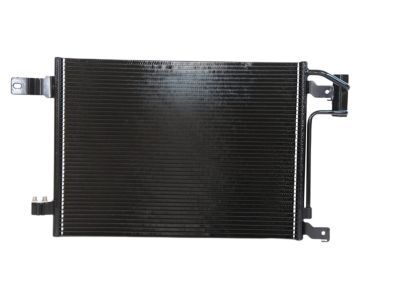
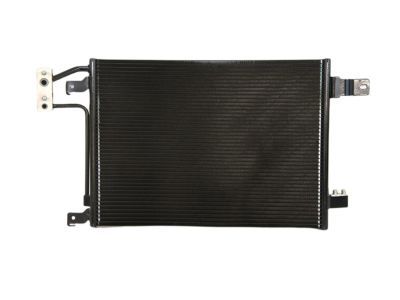
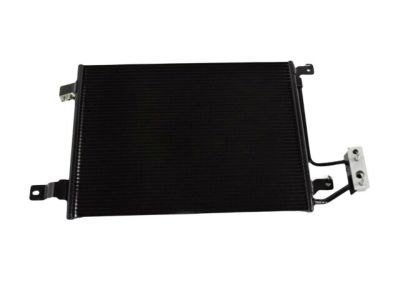
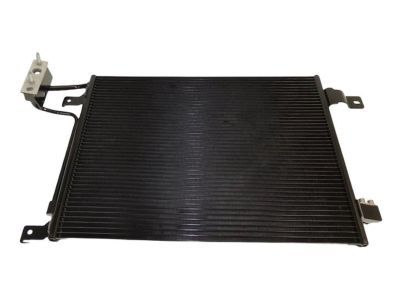
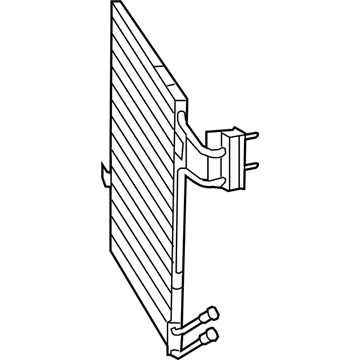
Jeep Wrangler Condenser Part Number: 55056726AA
$327.56 MSRP: $436.00You Save: $108.44 (25%)Ships in 1-2 Business Days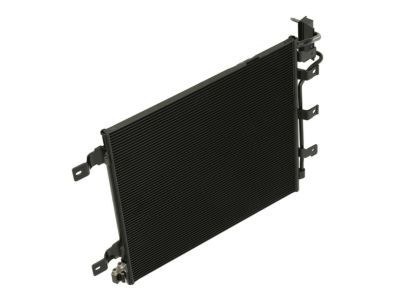
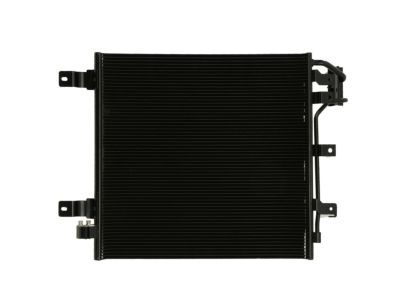
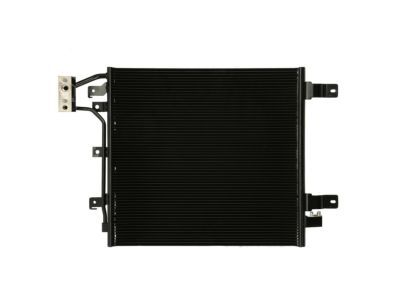
Jeep Wrangler Condenser Part Number: 68143891AA
$400.75 MSRP: $583.00You Save: $182.25 (32%)Ships in 1-2 Business Days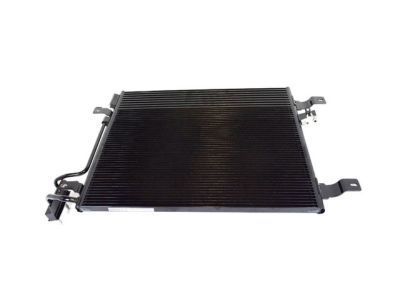
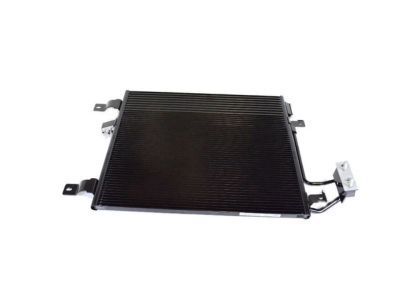
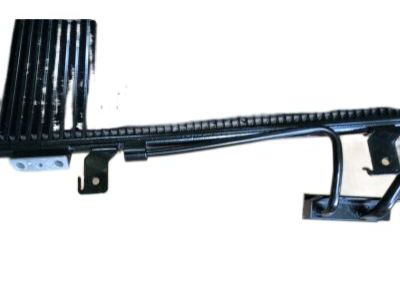
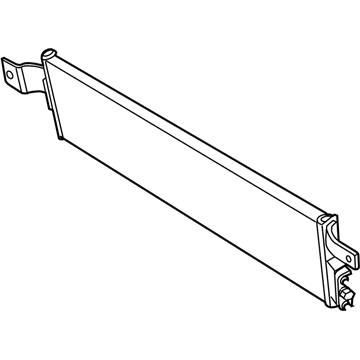
Jeep Wrangler Transmission Cooler Part Number: 55056635AA
$437.39 MSRP: $637.00You Save: $199.61 (32%)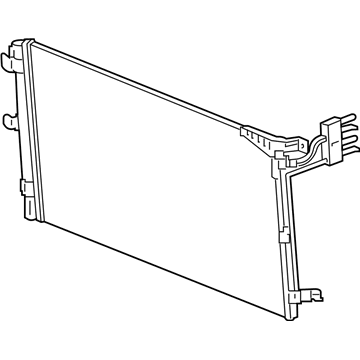

Jeep Wrangler Condenser Part Number: 68314789AC
$245.86 MSRP: $362.00You Save: $116.14 (33%)Ships in 1-2 Business Days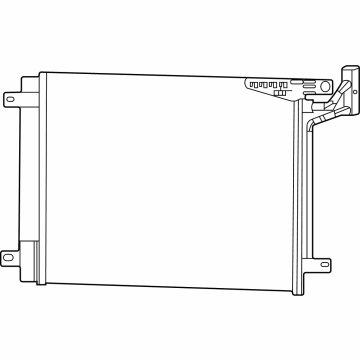
Jeep Wrangler Condenser Part Number: 68481175AA
$274.19 MSRP: $404.00You Save: $129.81 (33%)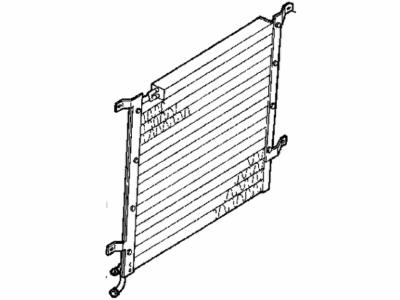
Jeep Wrangler Condenser Part Number: 55036212
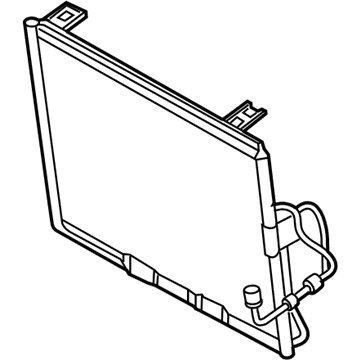
Jeep Wrangler Condenser Part Number: 55037618AH

Jeep Wrangler Condenser Part Number: 55037619AF
Jeep Wrangler Condenser Part Number: 55037618AD
Jeep Wrangler Condenser Part Number: 55036366AC
Jeep Wrangler Condenser Part Number: 55037482AD
Jeep Wrangler A/C Condenser
Choose OEM A/C Condenser that meet Jeep factory standards. Jeep designs and tests every component for precision and durability. Each A/C Condenser follows strict manufacturing steps to lock in quality and fit. If your Jeep Wrangler matters to you, OEM parts make the smart choice. You'll get the exact look, feel, and performance you expect. Shop genuine Wrangler parts at the highly competitive prices online. Enjoy a manufacturer's warranty, a hassle-free return policy, and rapid delivery. No more guesswork with off brands. Get genuine parts with exact fit and true factory performance. Shop with confidence today at JeepPartsDeal.com.
A/C Condenser in Jeep Wrangler automobiles plays the same role of heat exchanger whereby the gaseous refrigerant is cooled in order to become a liquid before it goes to the accumulator. This part is usually formed of a sequence of tubes and is put in front of the radiator to enable proper stream and cooling. Depending on the years of manufacture, different types of A/C condensers have been used on different models of Wrangler although there is no much distinction in the design or performance of the various models. The primary goal of the A/C condenser remains consistent: to help control the condition of the refrigerant for the sake of enabling the continuity of the refrigeration cycle to enable the air conditioning to deliver the right internal climate.
Jeep Wrangler A/C Condenser Parts and Q&A
- Q:How to Remove an A/C Condenser on Jeep Wrangler?A:You need to first detach and separate the negative Battery Cable to remove the coolant from the condenser. After that, take out the coolant recovery container. For engines using a 2.8L, separate the air intake hose from the Throttle Body and position it where it will not touch the engine by accident. Ease away the nuts from the sides of the A/C condenser that are securing both discharge and liquid lines and remove and throw away the O-ring seals and gaskets. Place plugs or cover the openings in refrigerant line fittings and condenser ports with tape. Take out the Grille and open up the top Radiator closure. If your vehicle has an automatic transmission, take out the radiator and A/C condenser together and set them on a workbench. Unfasten the bolts connecting the A/C condenser to the radiator and take apart the condenser from the radiator. If your car uses a stick shift, pull out the radiator bolts as shown, push the upper radiator rearward to loosen the refrigerant line block and pull the A/C condenser out from in front of the engine. If automatic transmission models need attention, take out the bolt joining the transmission cooler line adapter to the left side of the automatic transmission fluid cooler. Lastly, if needed, lift out the A/C receiver/drier from the right part of the A/C condenser.
- Q:How to Properly Install an A/C Condenser to Ensure Optimal Functionality and Avoid Damage on Jeep Wrangler?A:It is important to check the refrigerant oil level during the installation of the A/C condenser to both avoid A/C problems and possible compressor damage. Change the A/C receiver/drier if the compressor has internal failure, to protect the new compressor from harm. When it's time to replace the condenser, be sure to add 60 milliliters (2 fluid ounces) of the approved refrigerant oil to the system. Whenever you disconnect refrigerant lines, put on new rubber O-ring seals and metal gaskets to prevent leaks. Be sure that the Radiator and condenser air seals are installed in the best place for good cooling. If you find you need it, install the A/C receiver/drier onto the right side of the A/C condenser. For manual transmission cars, push the radiator rearward and set the A/C condenser in front, fastening it with five bolts turned to 5 Nm (45 in. lbs.). On automatic transmission vehicles, connect the primary cooler line adapter with updated O-rings, position the A/C condenser and attach it with five bolts. Secure the charge air cooler for cars with a 2.8L diesel engine using four bolts. After that, add the cooling fan and fan shroud and finish with the Grille. Open the refrigerant line fittings and condenser ports, give new rubber O-ring seals a coating of oil and put them on along with gaskets. Attach the two AC connections to the AC condenser and fasten the nuts at 23 Nm (17 ft. lbs.). For 2.8L Diesel engines, the air outlet hose goes to the CAC. Add the coolant recovery container and link up the negative Battery Cable again. When the A/C condenser is changed or when several parts are swapped, drain the refrigerant system, add the specified refrigerant oil and recycle the refrigerant as usual. Also, for cars with an automatic transmission, remember to look after and top off the fluid in the automatic transmission tank when necessary.
Related Jeep Wrangler Parts
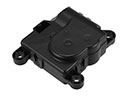 Jeep Wrangler Blend Door Actuator
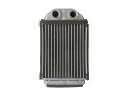 Jeep Wrangler Heater Core
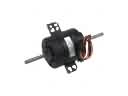 Jeep Wrangler Blower Motor
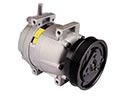 Jeep Wrangler A/C Compressor
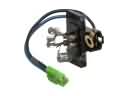 Jeep Wrangler Blower Motor Resistor
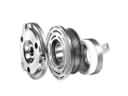 Jeep Wrangler A/C Compressor Clutch
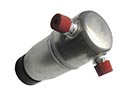 Jeep Wrangler A/C Accumulator
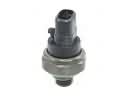 Jeep Wrangler A/C Compressor Cut-Out Switches
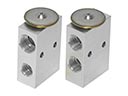 Jeep Wrangler A/C Expansion Valve
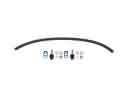 Jeep Wrangler A/C Hose
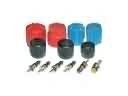 Jeep Wrangler A/C System Valve Core
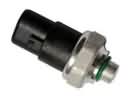 Jeep Wrangler HVAC Pressure Switch