JeepParts
My Garage
My Account
Cart
OEM Dodge Fuel Rail
Engine Fuel Rail- Select Vehicle by Model
- Select Vehicle by VIN
Select Vehicle by Model
orMake
Model
Year
Select Vehicle by VIN
For the most accurate results, select vehicle by your VIN (Vehicle Identification Number).
65 Fuel Rails found
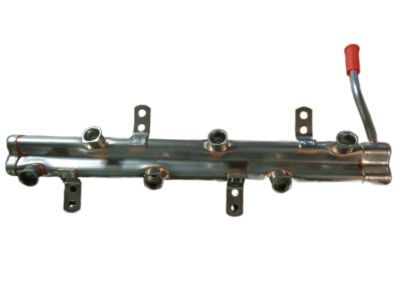
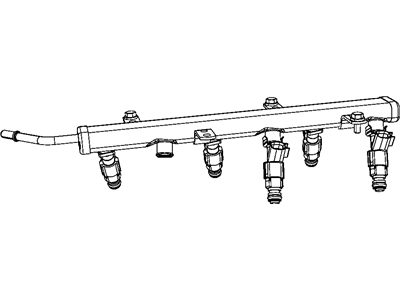
Dodge Fuel Rail Part Number: 4861666AA
$208.88 MSRP: $315.00You Save: $106.12 (34%)Ships in 1-2 Business DaysProduct Specifications- Other Name: Rail - Fuel; Rail Fuel
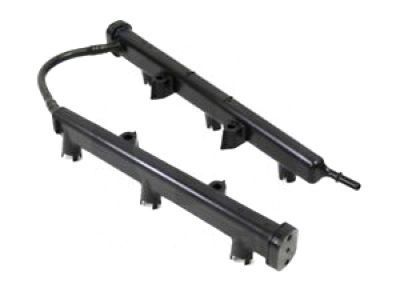
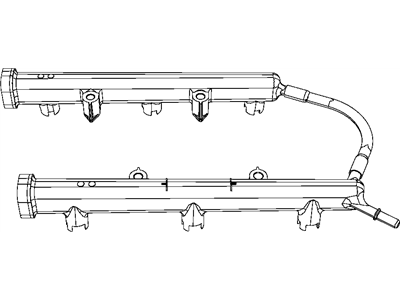
Dodge Fuel Rail Part Number: 53034198AC
$488.46 MSRP: $659.00You Save: $170.54 (26%)Product Specifications- Other Name: Rail - Fuel; Rail Fuel
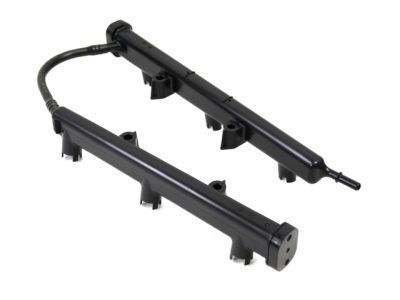
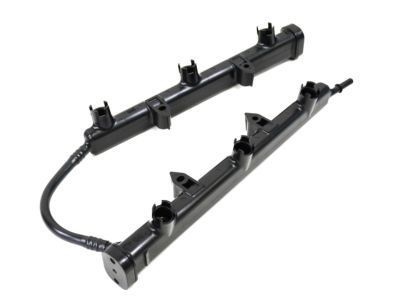
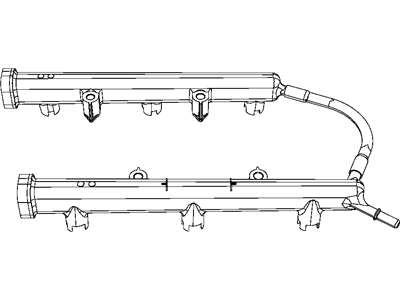
Dodge Fuel Rail Part Number: 4593922AA
$376.81 MSRP: $574.00You Save: $197.19 (35%)Product Specifications- Other Name: Rail - Fuel; Rail Fuel
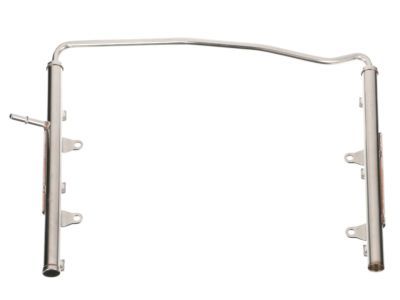
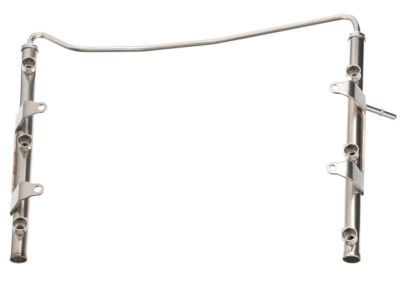
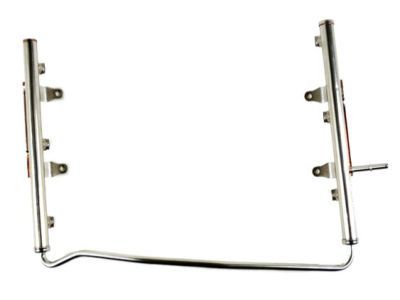
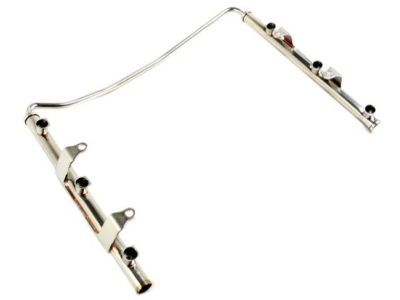
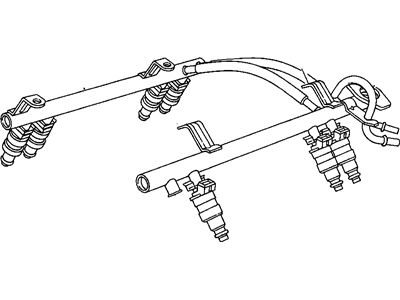
Dodge Fuel Rail Part Number: 53031102AB
$533.72 MSRP: $809.00You Save: $275.28 (35%)Product Specifications- Other Name: Rail - Fuel; Rail Fuel
- Replaces: 53031102AC
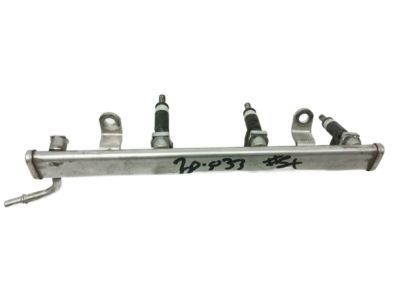
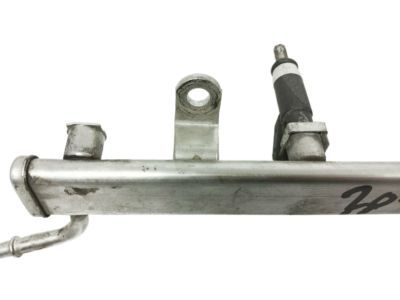
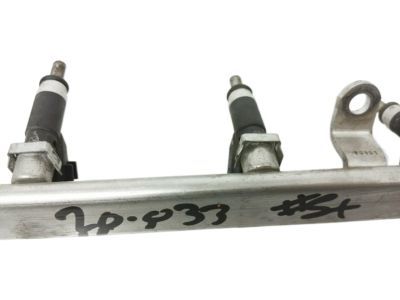
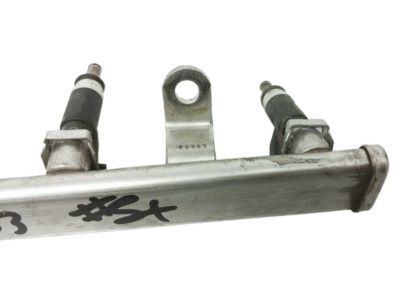
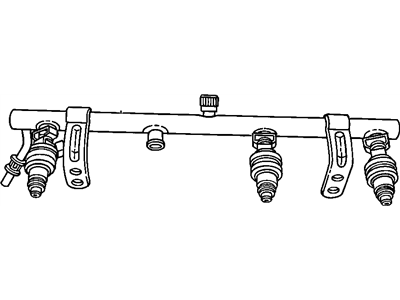
Dodge Fuel Rail Part Number: 4627355AA
$68.74 MSRP: $104.00You Save: $35.26 (34%)Ships in 1-2 Business DaysProduct Specifications- Other Name: Rail - Fuel; Rail Fuel
- Replaces: 4891575AA
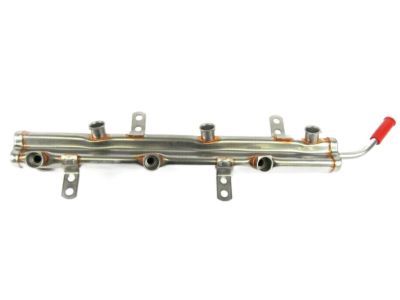
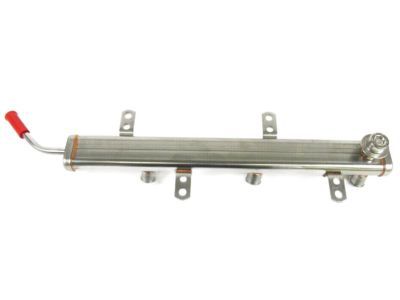
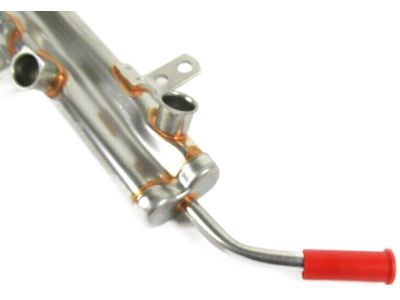
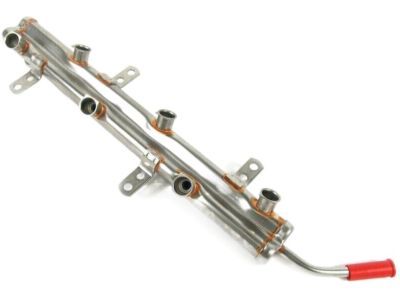
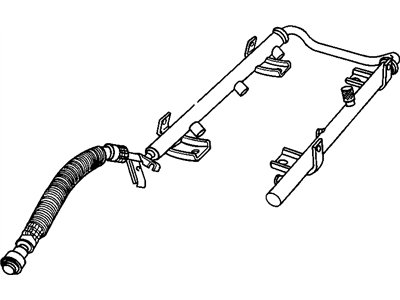
Dodge Fuel Rail Part Number: 4861498AC
$125.78 MSRP: $188.00You Save: $62.22 (34%)Product Specifications- Other Name: Rail - Fuel; Rail Fuel
- Replaces: 4861498AB
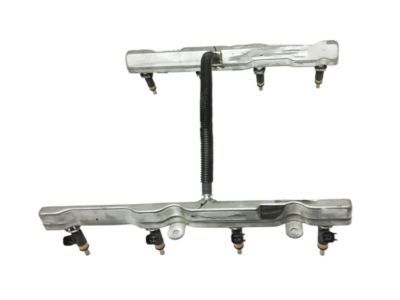
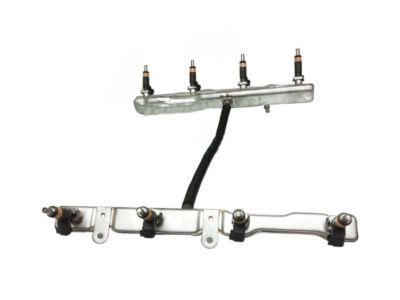
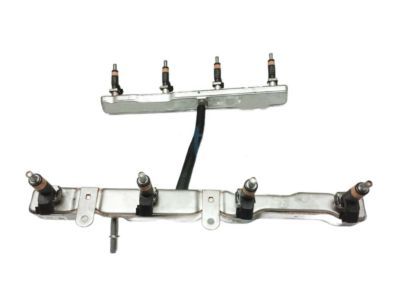
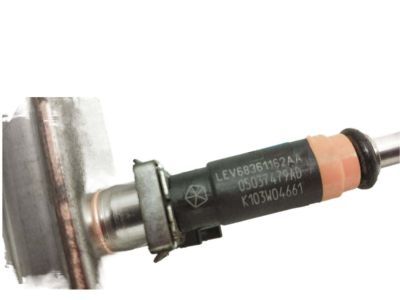
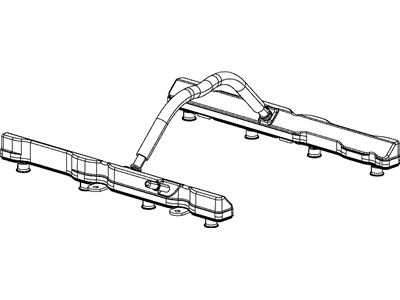
Dodge Fuel Rail Part Number: 53013888AD
$126.90 MSRP: $187.00You Save: $60.10 (33%)Product Specifications- Other Name: Rail - Fuel; Rail Fuel
- Replaced by: 53013888AE
- Replaces: 53013888AC
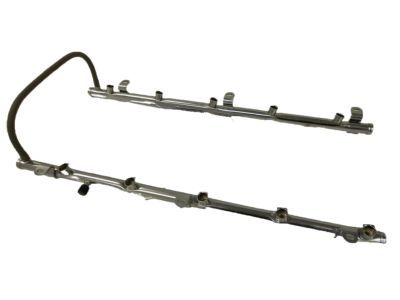
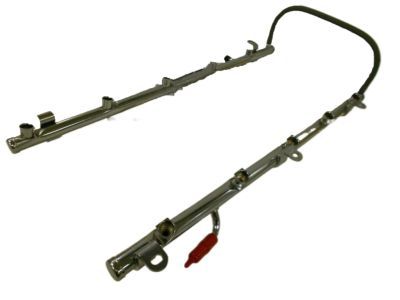
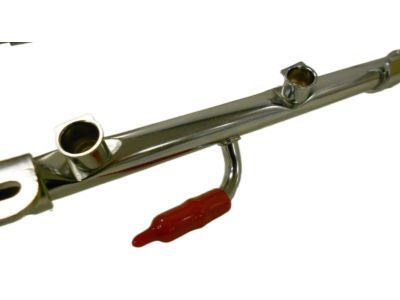
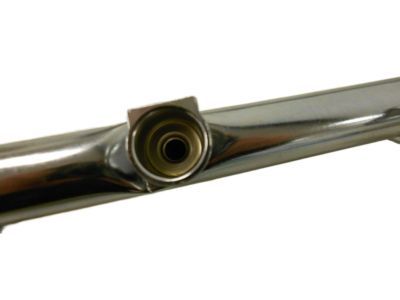

Dodge Fuel Rail Part Number: 5096292AB
$440.50 MSRP: $491.00You Save: $50.50 (11%)Ships in 1-2 Business DaysProduct Specifications- Other Name: Rail - Fuel; Rail Fuel
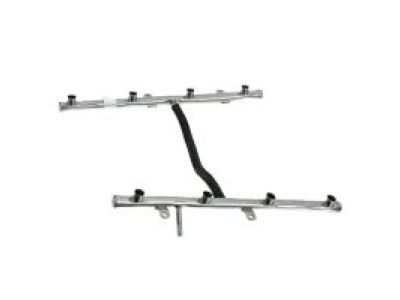
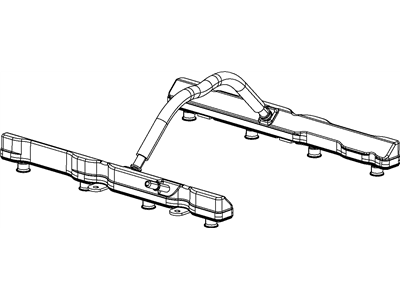
Dodge Fuel Rail Part Number: 5038530AB
$256.06 MSRP: $377.00You Save: $120.94 (33%)Product Specifications- Other Name: Rail - Fuel; Rail Fuel
- Replaced by: 5038530AC
- Replaces: 5038530AA
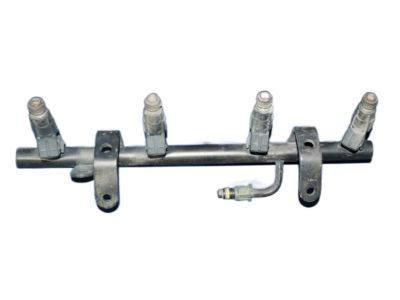
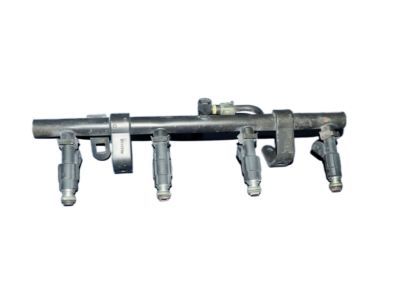
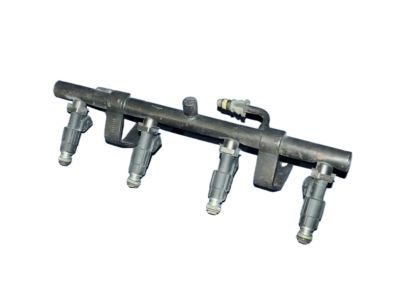
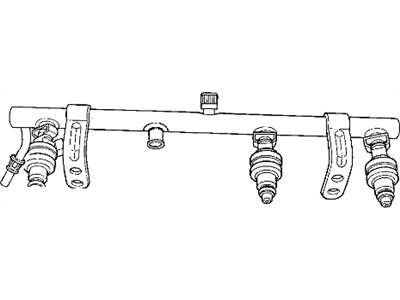
Dodge Fuel Rail Part Number: 4663433
Product Specifications- Other Name: Fuel; Rail Assembly; Rail Fuel
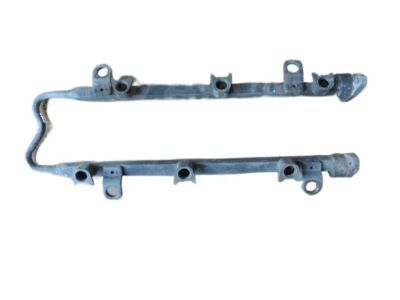
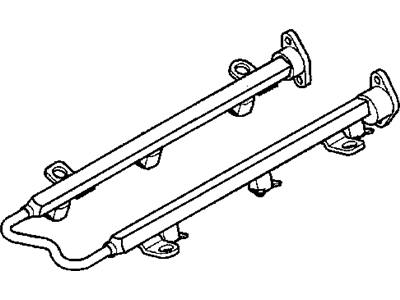
Dodge Fuel Rail Part Number: MD352589
Product Specifications- Other Name: Tube - Fuel; Rail Fuel
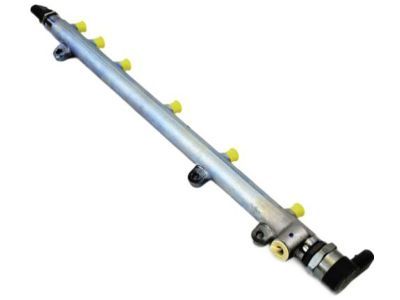
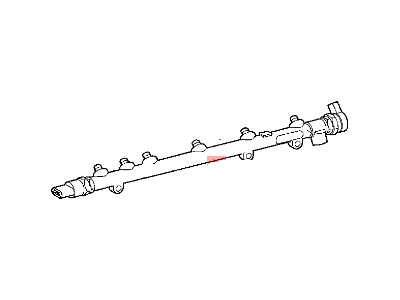
Dodge Fuel Rail Part Number: 5137290AA
Product Specifications- Other Name: Rail - Fuel; Rail Fuel
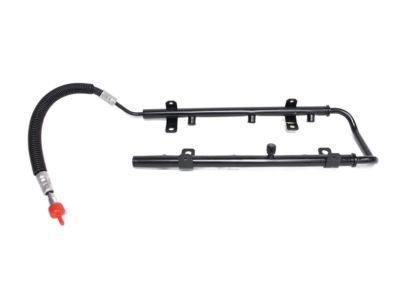
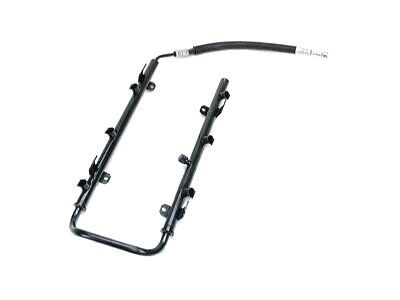
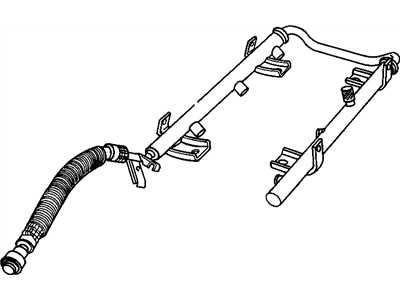
Dodge Fuel Rail Part Number: 4612217AB
Product Specifications- Other Name: Rail - Fuel; Rail Fuel
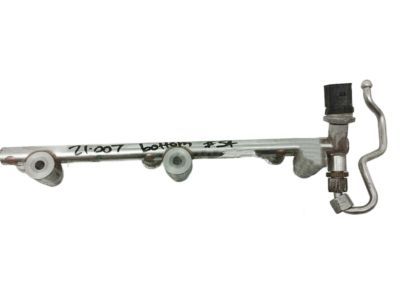
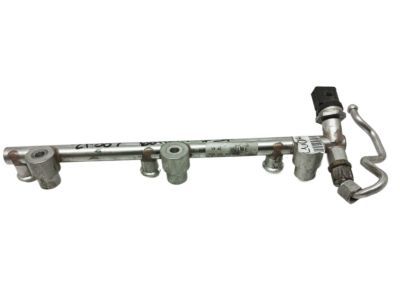
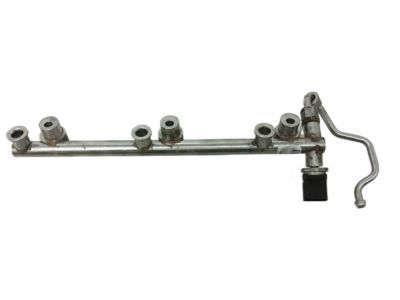
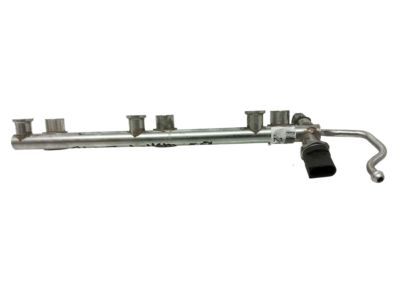
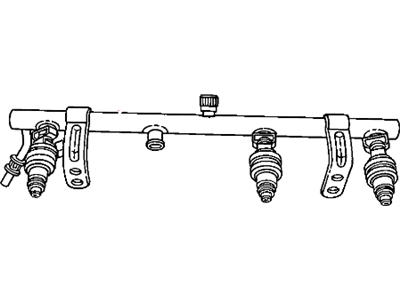
Dodge Fuel Rail Part Number: 4861387AD
Product Specifications- Other Name: Rail - Fuel; Rail Fuel
- Replaces: 4861387AC
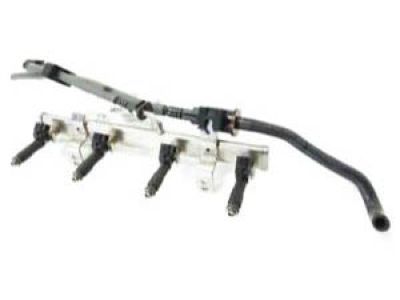
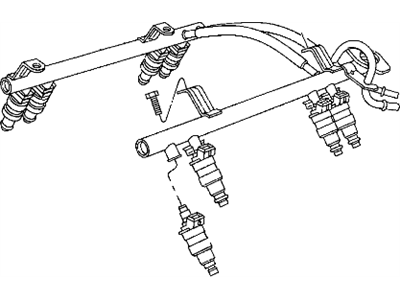
Dodge Fuel Rail Part Number: 53013017AB
Product Specifications- Other Name: Rail - Fuel; Rail Fuel
- Replaces: 53013017AA
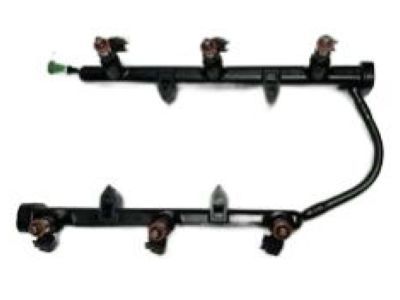
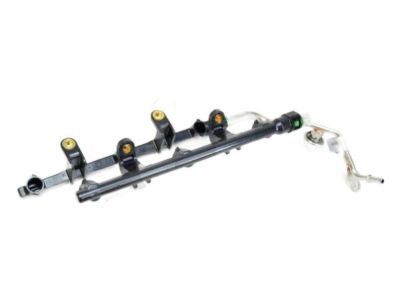
Dodge Fuel Rail Part Number: 4591991AA
Product Specifications- Other Name: Rail - Fuel; Rail Fuel
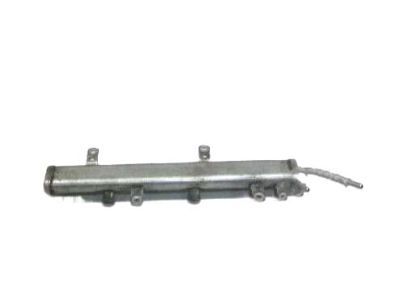
Dodge Fuel Rail Part Number: 4861498AD
Product Specifications- Other Name: Rail - Fuel; Rail Fuel
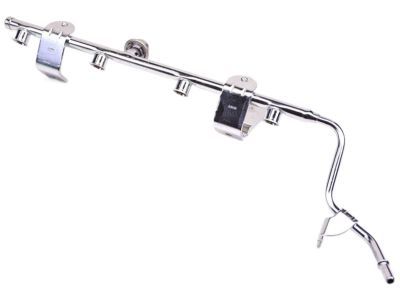
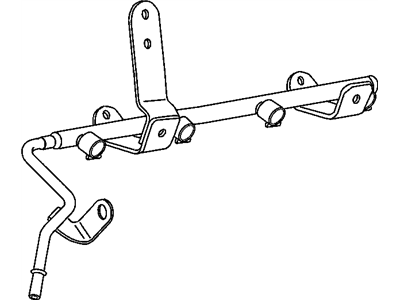
Dodge Fuel Rail Part Number: 4591480AG
Product Specifications- Other Name: Rail - Fuel; Rail Fuel
- Replaces: 4591480AF, 4591480AD, 4591480AE
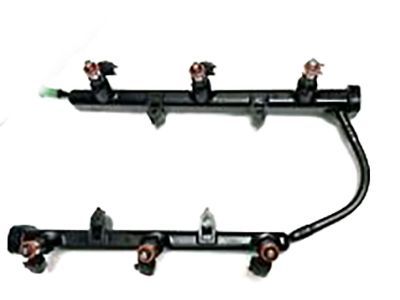
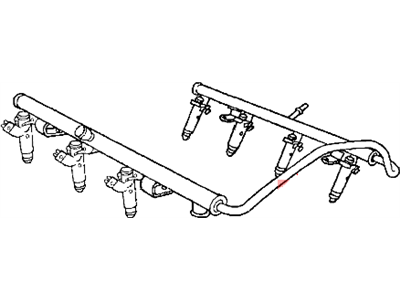
Dodge Fuel Rail Part Number: 53032903AD
Product Specifications- Other Name: Rail - Fuel; Rail Fuel
- Replaces: 53032903AC
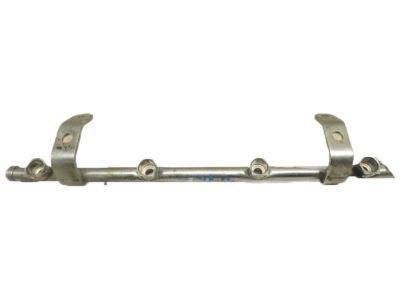
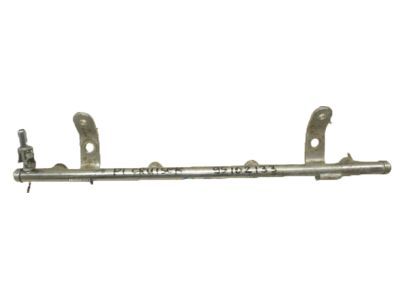
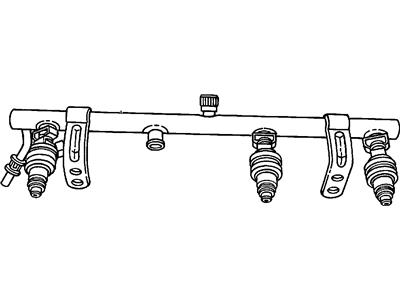
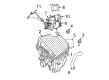
Dodge Fuel Rail Part Number: 5014312AC
Product Specifications- Other Name: Rail - Fuel; Rail Fuel
- Replaces: 5014312AB
| Page 1 of 4 |Next >
1-20 of 65 Results
Dodge Fuel Rail
OEM parts sourced directly from Dodge deliver superior quality, long lasting strength, and a precise fit you can trust. Each item goes through strict quality checks to ensure safety, toughness, and performance that matches your factory equipment. At JeepPartsDeal online shop, you'll get top-quality, budget-friendly OEM Dodge Fuel Rail for your vehicle. We focus on giving you a high standard without pushing up the price. Our full selection of genuine factory products comes backed by the original manufacturer's warranty. You'll love our fast delivery, seamless shopping experience, and convenient return policy, saving you all the hassle.
Dodge Fuel Rail maintains a constant fuel pressure to ensure that all the cylinders fire hard and clean whenever required. Dodge was born in a rough machine shop and had to demonstrate over and over that steel was not chrome, introducing an all-steel body in 1914 that bumped over the road like it was nothing but air. Over the decades, Dodge has crammed HEMI powerplants under arrogant hoods to give everyday drivers a cowling of thunder that had previously been the reserve of race grids. The Viper program drove that point home because Dodge demonstrated that raw displacement could still swing around corners with the skill of a prizefighter. Its new Fratzonic Chambered Exhaust puts its new gasoline-swallowing Fratzonic Chambered Exhaust into silent electrons, and you can see that Dodge is not ready to allow excitement to pass away with gasoline. The Fuel Rail is a rigid backbone inside the engine valley which directs pressurized gasoline between the pump and injector and prevents heat soak, vibration, and sudden surges of pressure that would otherwise choke a cylinder or flood it. The Fuel Rail also allows throttle stabs to be converted to immediate torque by varying the pulse width with a constant pressure, allowing the PCM to fine-tune the throttle pulse to be more accurate and the throttle stabs to be more responsive to throttle. It can be applied across all of TBI, port injection, and current GDI systems, and a Fuel Rail architecture can be taken on board as engines advance, reducing emissions without compromising power.
Dodge Fuel Rail Parts and Q&A
- Q:How to Service a Fuel Rail on Dodge Charger?A:Before starting, let the pressure in the fuel system drop and make sure you work in a room without anything that can catch fire. Remove the negative battery cable and remove the intake manifold plenum, so you can cover the intake manifold to keep unwanted materials from going into the engine. Press down on the red lever and then slide the tab at the connector toward the bottom to disconnect it from both the fuel rail and the electrical injectors at the rear of the vehicle. If the area for each injector is labeled in the wiring harness, remember this before you take it off the engine; otherwise, record the injector's place in the harness manually. Release the bolts holding the mount of the fuel rail in place at both sides and gently pull the fuel rail off the head. Unscrew the clips securing the fuel injectors and pull out the injectors from the rail. When installing, give the fuel injector O-rings small amounts of clean engine oil, add the retaining clips and place the injectors in the fuel injector rail until the clips are correctly positioned. Set the fuel rail above the cylinder heads and move it into place, fasten the mounting bolts to 11 N.m (100 in. lbs.). To begin, form the fuel tube securely onto the fitting at the fuel rail and the electrical connections between the injectors. Attach the intake manifold plenum, link the negative battery cable again and with the scan tool, turn on the fuel system pressure and watch for any leaks.
- Q:How to Service a Fuel Rail on a 3.5L Engine on Dodge Challenger?A:First, empty the system of fuel pressure, work on the engine in an airy location far from any heat sources and make sure not to smoke while the service is happening. Disconnect the battery's negative cable and then take out the intake manifold plenum while covering the intake manifold so nothing enters the engine. Disconnect the fuel supply tube quick connect fitting at the rear of the fuel rail next and unplug the electrical connectors from the fuel injectors by sliding the red slider and pressing the tab to pull out each connector. Injector location is tagged on the factory fuel injection wiring harness; if there is no tag, make a note of the wiring position before being removed. Unbolt both side of the fuel rail, then raise it clear of the cylinder head. After that, eliminate the securing clips attached to the fuel injectors at the fuel rail and extract them from it.
Related Dodge Parts
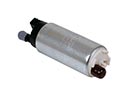 Dodge Fuel Pump
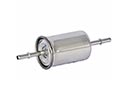 Dodge Fuel Filter
 Dodge Fuel Injector
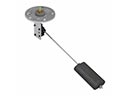 Dodge Fuel Sending Unit
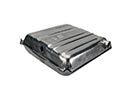 Dodge Fuel Tank
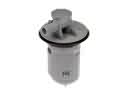 Dodge Fuel Tank Vent Valve
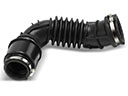 Dodge Air Intake Hose
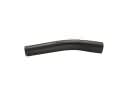 Dodge Fuel Filler Hose
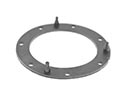 Dodge Fuel Pump Gasket
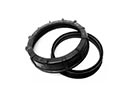 Dodge Fuel Pump Seal
 Dodge Fuel Pump Strainer
 Dodge Throttle Body Gasket
Browse Dodge Fuel Rail by Models
Charger Challenger Ram 1500 Dakota Durango Viper Dart Grand Caravan Ram 2500 Journey Caravan Avenger D150 Magnum Neon Nitro Stealth Caliber Ramcharger Omni Dynasty Intrepid Ram 3500 Shadow Stratus W250 Aries B250 B350 D250 Daytona Hornet Ram 1500 Van Sprinter 2500 Sprinter 3500 W150 B2500 Lancer B150 B1500 B3500 Ram 2500 Van Ram 3500 Van