JeepParts
My Garage
My Account
Cart
OEM Dodge Starter Motor
Starter Ignition- Select Vehicle by Model
- Select Vehicle by VIN
Select Vehicle by Model
orMake
Model
Year
Select Vehicle by VIN
For the most accurate results, select vehicle by your VIN (Vehicle Identification Number).
87 Starter motors found
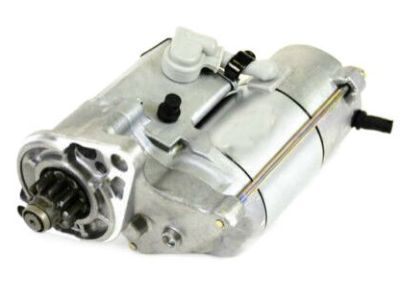

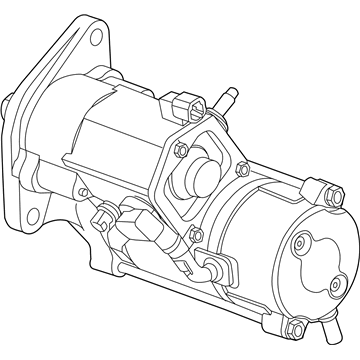
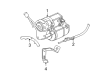
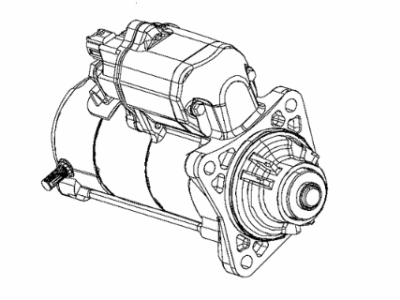
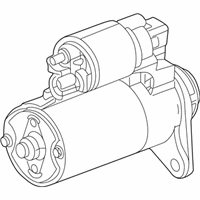
Dodge Starter Part Number: 5037199AB
$390.54 MSRP: $592.00You Save: $201.46 (35%)Ships in 1-2 Business DaysProduct Specifications- Other Name: Starter - Engine; Starter Motor; Starter Motor Reman; Starters; Starter Engine
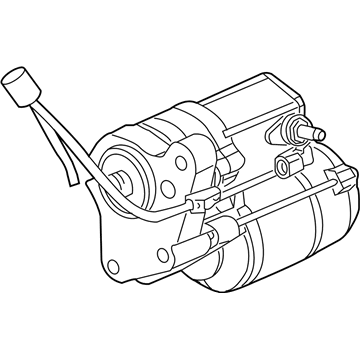
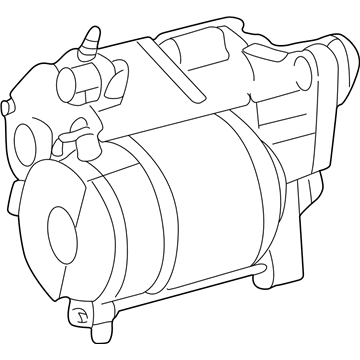
Dodge Starter Bolt Part Number: 5030076AD
$301.03 MSRP: $457.00You Save: $155.97 (35%)Ships in 1-2 Business DaysProduct Specifications- Other Name: Starter - Engine; Starter Motor; Starter; Starter Engine
- Replaces: 5030076AC
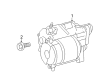
Dodge Starter Part Number: 5086932AA
$944.14 MSRP: $1425.00You Save: $480.86 (34%)Ships in 1-2 Business DaysProduct Specifications- Other Name: Starter - Engine; Starter Motor; Starter Motor Reman; Starters; Starter Engine
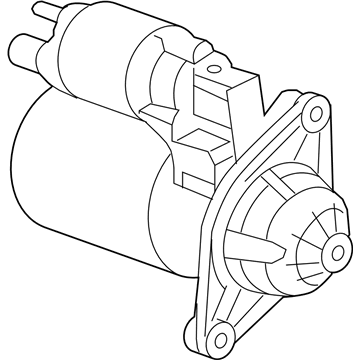
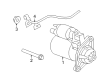
Dodge Starter Part Number: 56029584AA
$352.97 MSRP: $533.00You Save: $180.03 (34%)Product Specifications- Other Name: Starter - Engine; Starter Motor; Starter Engine
- Replaces: RL029584AA
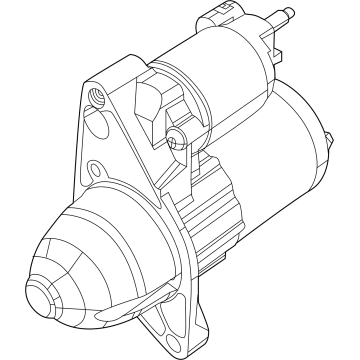

Dodge Starter - Engine Part Number: 68563814AC
$87.68 MSRP: $127.00You Save: $39.32 (31%)Product Specifications- Other Name: STARTER-ENGINE
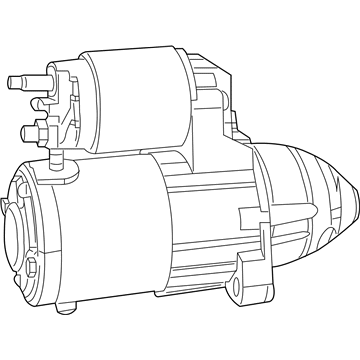

Dodge Starter Part Number: R5034555AA
$131.84 MSRP: $154.00You Save: $22.16 (15%)Ships in 1-2 Business DaysProduct Specifications- Other Name: Starter - Engine; Starter Motor; Starter Engine

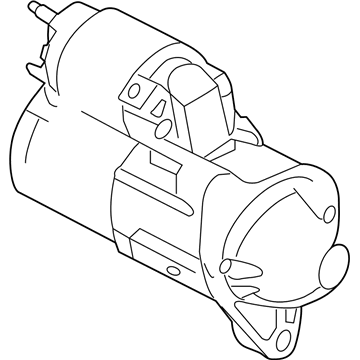
Dodge Starter Part Number: 4748046AC
$272.30 MSRP: $409.00You Save: $136.70 (34%)Ships in 1-2 Business DaysProduct Specifications- Other Name: Starter - Engine; Starter Motor
- Replaces: 4748046AB, 4748046AA
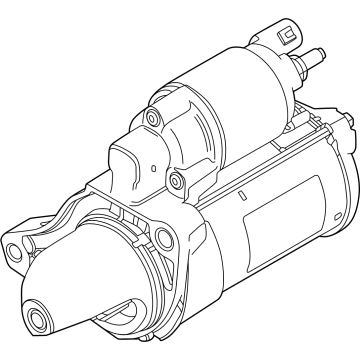
Dodge Starter Part Number: 5035322AC
$600.49 MSRP: $909.00You Save: $308.51 (34%)Ships in 1-2 Business DaysProduct Specifications- Other Name: Starter - Engine; Starter Motor; Starter Engine
- Replaces: 5035322AA, 5035322AB
Dodge Starter Part Number: 68416677AA
$329.76 MSRP: $495.00You Save: $165.24 (34%)Ships in 1-3 Business DaysProduct Specifications- Other Name: Starter - Engine
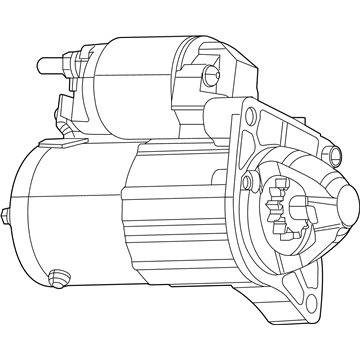
Dodge Starter Part Number: 56029698AA
$224.79 MSRP: $337.00You Save: $112.21 (34%)Ships in 1-2 Business DaysProduct Specifications- Other Name: Starter - Engine; Starter Motor; Starter Motor Reman; Starters; Starter Engine
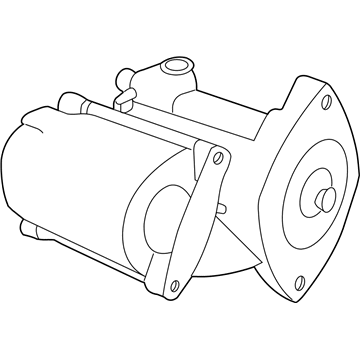
Dodge Starter Part Number: 4606875AE
$203.81 MSRP: $240.00You Save: $36.19 (16%)Ships in 1-2 Business DaysProduct Specifications- Other Name: Starter - Engine; Starter Motor; Starter Motor Reman; Starters; Starter Engine
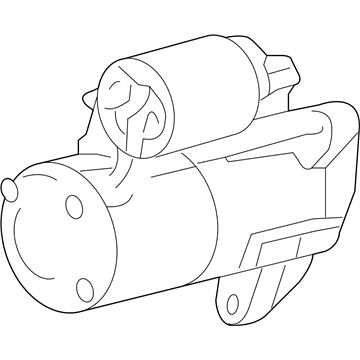
Dodge Starter Part Number: 4801854AA
$318.71 MSRP: $480.00You Save: $161.29 (34%)Ships in 1-2 Business DaysProduct Specifications- Other Name: Starter - Engine; Starter Motor; Starter Engine
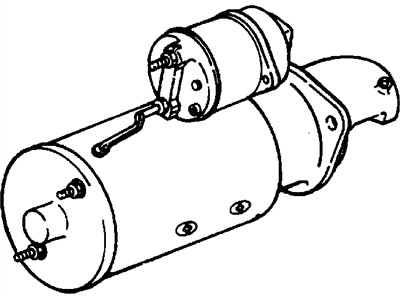
Dodge Starter Part Number: R4741012
$540.76 MSRP: $650.00You Save: $109.24 (17%)Ships in 1 Business DayProduct Specifications- Other Name: Starter Motor Reman; Starter Motor; Starters; Starter Engine
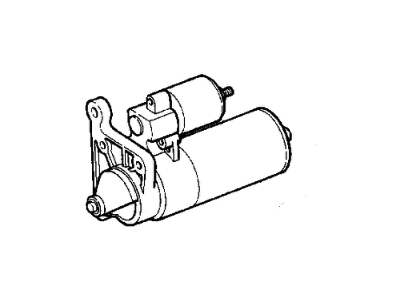
Dodge Starter Assembly Part Number: 33004180
$217.54 MSRP: $320.00You Save: $102.46 (33%)Ships in 1-3 Business DaysProduct Specifications- Other Name: Starter
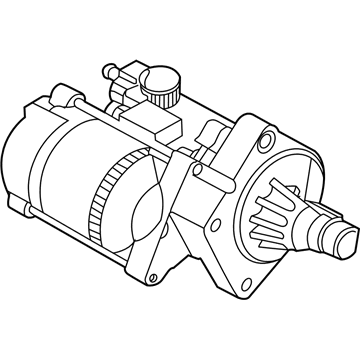
Dodge Starter Part Number: 4609345AF
$117.55 MSRP: $173.00You Save: $55.45 (33%)Ships in 1-2 Business DaysProduct Specifications- Other Name: Starter - Engine; Starter Motor; Starter Motor Reman; Starters; Starter Engine
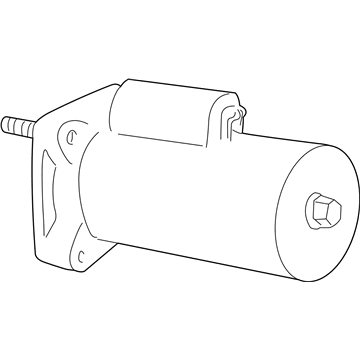
Dodge Starter Part Number: 4796981AB
$239.06 MSRP: $352.00You Save: $112.94 (33%)Ships in 1-2 Business DaysProduct Specifications- Other Name: Starter Motor; Starter Engine
- Replaced by: 4796981AE
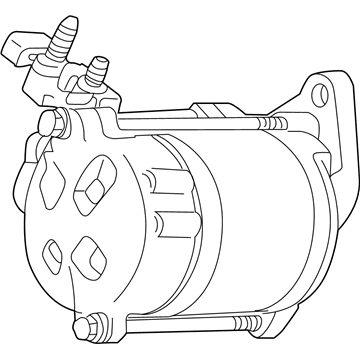
Dodge Starter Part Number: 56027702AB
$188.42 MSRP: $275.00You Save: $86.58 (32%)Ships in 1-2 Business DaysProduct Specifications- Other Name: Starter Motor; Starter Engine
- Replaced by: R6027702AC
Dodge Starter Engine Part Number: R8049020AA
$374.25 MSRP: $438.00You Save: $63.75 (15%)Ships in 1-2 Business DaysProduct Specifications- Other Name: Starter - Engine
- Replaced by: R8444855AB
Dodge Starter Part Number: R6027702AC
$188.42 MSRP: $275.00You Save: $86.58 (32%)Product Specifications- Other Name: Starter - Engine; Starter Motor; Starter Engine
- Replaces: 56027702AB, 56027702AC
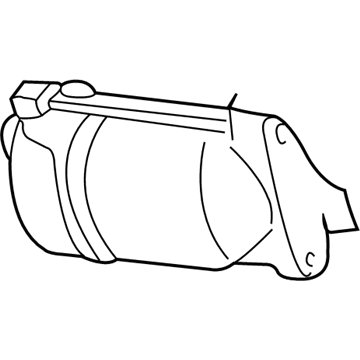

Dodge Starter Part Number: 4686045AE
Product Specifications- Other Name: Starter - Engine; Starter Motor; Starter Engine
- Replaces: 4686045AC
| Page 1 of 5 |Next >
1-20 of 87 Results
Dodge Starter Motor
OEM parts sourced directly from Dodge deliver superior quality, long lasting strength, and a precise fit you can trust. Each item goes through strict quality checks to ensure safety, toughness, and performance that matches your factory equipment. At JeepPartsDeal online shop, you'll get top-quality, budget-friendly OEM Dodge Starter Motor for your vehicle. We focus on giving you a high standard without pushing up the price. Our full selection of genuine factory products comes backed by the original manufacturer's warranty. You'll love our fast delivery, seamless shopping experience, and convenient return policy, saving you all the hassle.
The electric shock is dealt by Dodge Starter Motor and the engines are wakened in a moment. Dodge was born out of a rough machine shop and it has vindicated its metal by presenting the first all steel body way back in 1914. This brand continued to beat around the concept that vehicles had to appear aggressive and strike the road. Dodge put race-track surge into daily traffic making commutes controlled sprints with roaring HEMI engines. There was its Viper program which demonstrated that wild power could safely maintain both feet on the public roads without shame. Dodge electrified muscle with the Fratzonic Chambered Exhaust fired off on the driver with selectable roars or whisper quiet stealth with a button press on the thumb. All this leads to the simple fact that the badge is more inclined to crass violence than to genteel graces. A Starter Motor is a device that transforms battery energy into a spinning impulse that engages a tiny propelling gear with the flywheel, which can be turned within a few seconds into a breathing engine by a block of seemingly inert metal. The gear-reduction design allows the Starter Motor to multiply the torque, and thus, chokes on a crank during cold mornings or steep hills are long gone. It closes its solenoid, puts full current through the armature, and the Starter Motor actively isolates current spikes on delicate circuits. Perforated windings with high durability shake off heat, so the Starter Motor is available whenever it is needed in stop and go traffic in the city.
Dodge Starter Motor Parts and Q&A
- Q: How to remove and dismantle a starter motor on Dodge Colt?A:To remove the starter motor, first disconnect the battery negative lead and the leads from the starter motor, then unscrew and remove the two mounting bolts to withdraw the starter. For dismantling, clean away external dirt and prepare to test the unit; if the starter motor has high mileage, it may be more economical to replace the entire unit rather than individual components. Release the connector from the solenoid A terminal, extract the two solenoid mounting screws, and withdraw the solenoid. Remove the two tie bolts to pull the yoke from the armature, then carefully take out the armature and shift lever from the front housing, noting their orientation. Extract the two screws to remove the rear housing and the brush holder. Use a piece of tubing to drive the pinion stop down the shaft to expose the circlip, then extract it and remove the stop and overrunning clutch from the armature shaft. Check for wear between the armature shaft and its bearings, renewing them if necessary. Clean the commutator with a fuel-moistened cloth, polish if discolored, and undercut the insulators if they are level with the segments. If the commutator's outside diameter is less than 1.4842 in (37.7 mm), renew the armature. For testing, check for earthing and open circuits in the armature and field coil using a circuit tester, renewing components as needed. Test the solenoid by pushing the plunger and checking for continuity between the M and B terminals. Renew worn brushes below 0.453 in (11.5 mm) and check the brush holder for continuity. Inspect the overrunning clutch and pinion for wear, ensuring the pinion rotates freely clockwise but locks anticlockwise. For reassembly, fit the clutch/pinion to the armature shaft, followed by the pinion stop and circlip, then the small washer to the front end of the armature shaft. Engage the shift lever with the armature shaft and locate the assembly in the front housing, reconnect the yoke, and fit the brush holder and brushes carefully. Fit the washer to the rear of the armature shaft, attach the rear housing, and tighten the two tie bolts. Engage the shift lever with the solenoid plunger and fit the solenoid, leaving the M terminal connector disconnected. Check the pinion to stop clearance by connecting a 12V supply between the solenoid S terminal and the starter motor body, ensuring the gap between the pinion and housing stop is between 0.020 and 0.079 in (0.5 and 2.0 mm), adjusting as necessary. Reconnect the M terminal connector on the solenoid, and refit the starter motor by reversing the removal process.
- Q: How to diagnose a malfunction in the starting circuit and Starter Motor on Dodge Neon?A:If your starting circuit malfunctions, don't assume the starter is at fault. Check the battery cable clamps, cables, and battery condition. Inspect the starter solenoid wiring and connections, starter mounting bolts, ignition switch circuit, and Park/Neutral Position or clutch-start switch. Ensure the shift lever is correctly positioned and check the starter relay's operation. Test for battery voltage at the solenoid when the ignition switch is turned to start. If voltage is present but the starter doesn't operate, bench test the starter. If it cranks slowly, check the cranking voltage and current draw. If the starter doesn't meet the cranking criteria, replace it. If the starter receives voltage but doesn't activate, bench test the starter/solenoid assembly. Check for engine seizure by rotating the crankshaft pulley. If the solenoid clicks but doesn't move, the solenoid or starter motor is likely faulty. If the solenoid plunger extends and rotates the pinion drive, the assembly is functioning correctly.

Related Dodge Parts
 Dodge Alternator
 Dodge Voltage Regulator
 Dodge Alternator Bracket
 Dodge Alternator Pulley
 Dodge Battery Cable
 Dodge Battery Sensor
 Dodge Battery Terminal
 Dodge Battery Tray
 Dodge Car Batteries
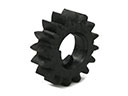 Dodge Starter Drive Gear
Browse Dodge Starter Motor by Models
Charger Challenger Ram 1500 Dakota Durango Viper Dart Grand Caravan Ram 2500 Journey Caravan Avenger D150 Magnum Neon Nitro Stealth Caliber Ramcharger Omni Dynasty Intrepid Ram 3500 Shadow Spirit Stratus W250 600 Aries B250 B350 Colt D250 D350 Daytona Hornet Monaco Ram 1500 Van Rampage Sprinter 2500 Sprinter 3500 W150 W350 B2500 Lancer B150 B1500 B3500 Mini Ram Ram 2500 Van Ram 3500 Van